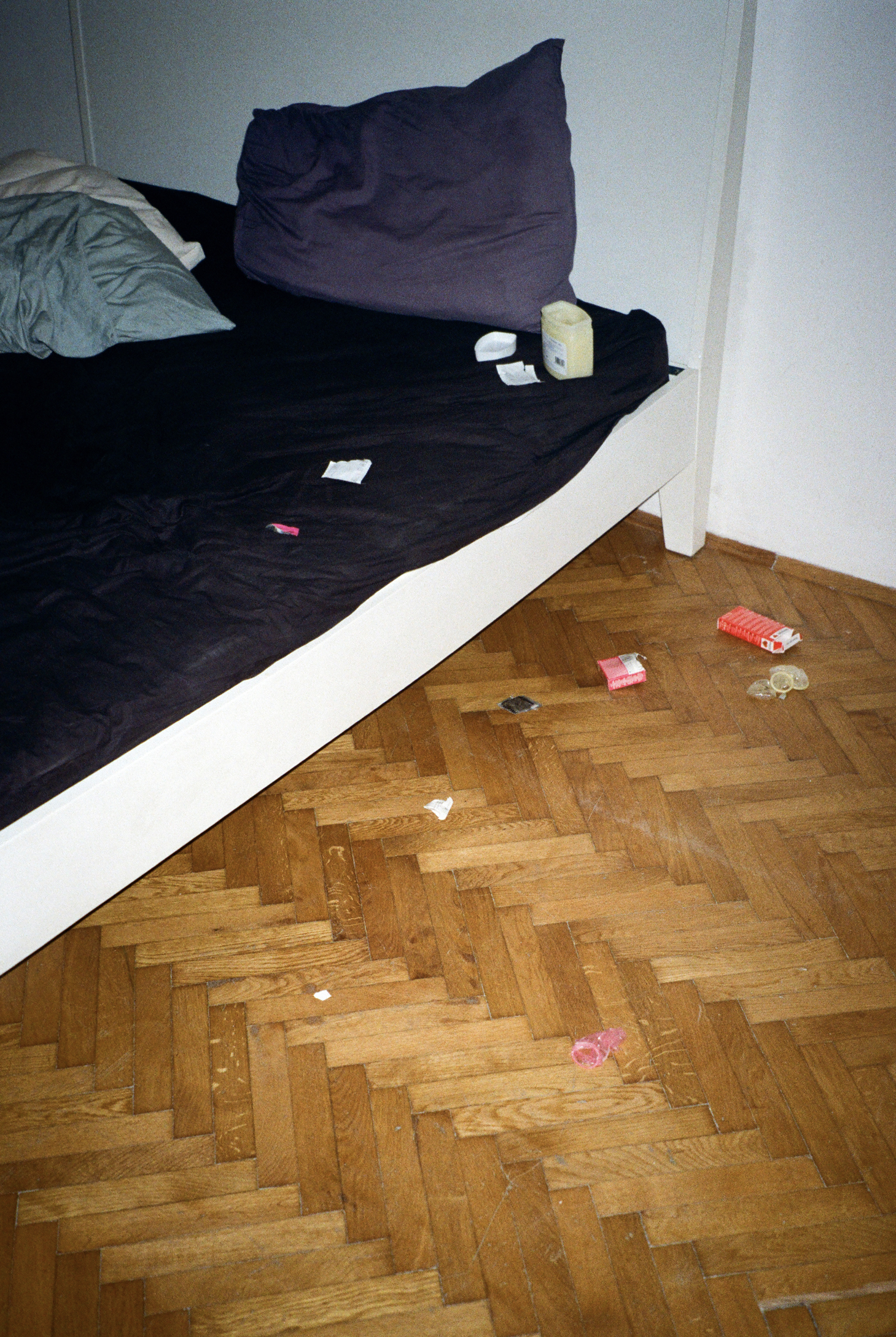
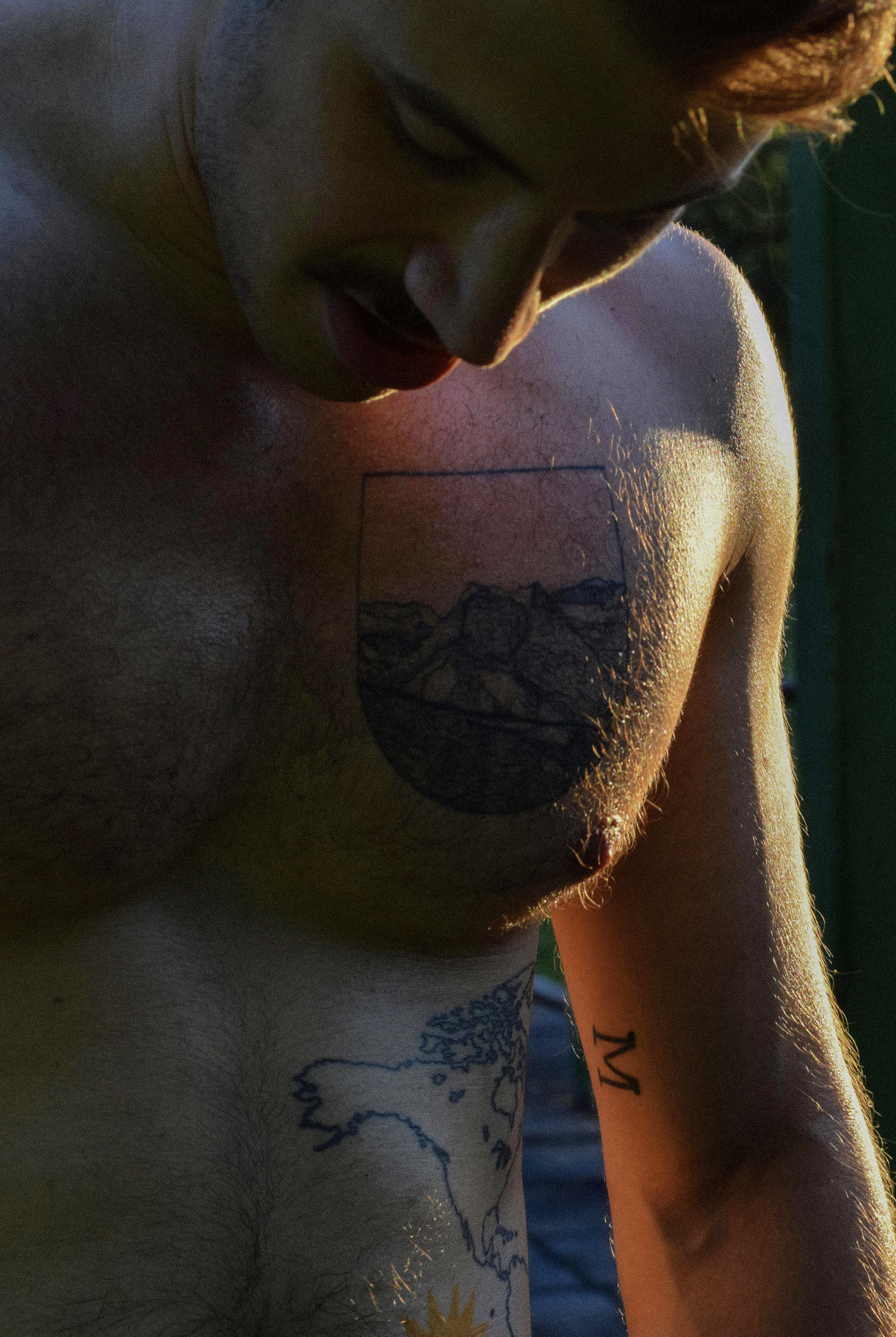
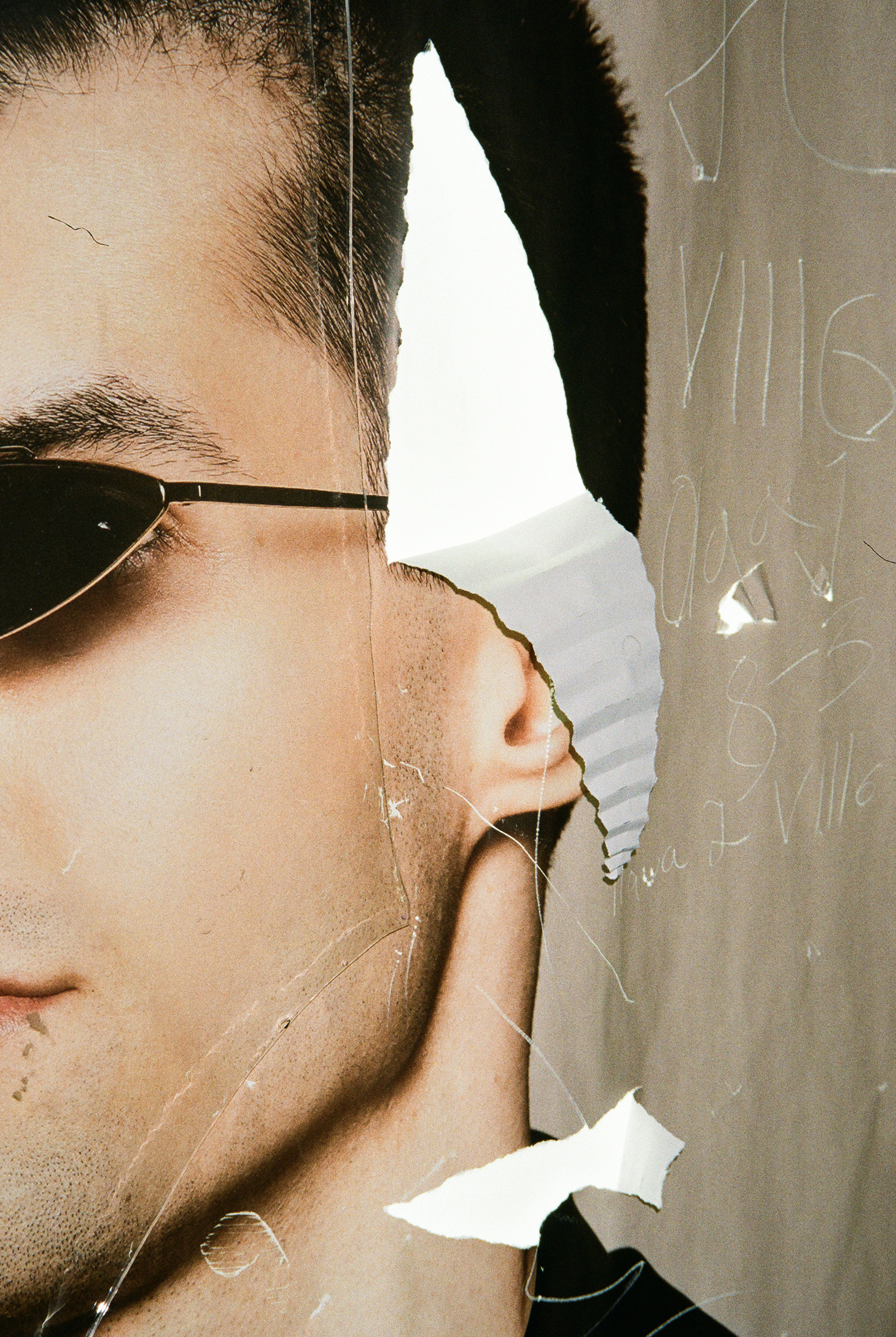
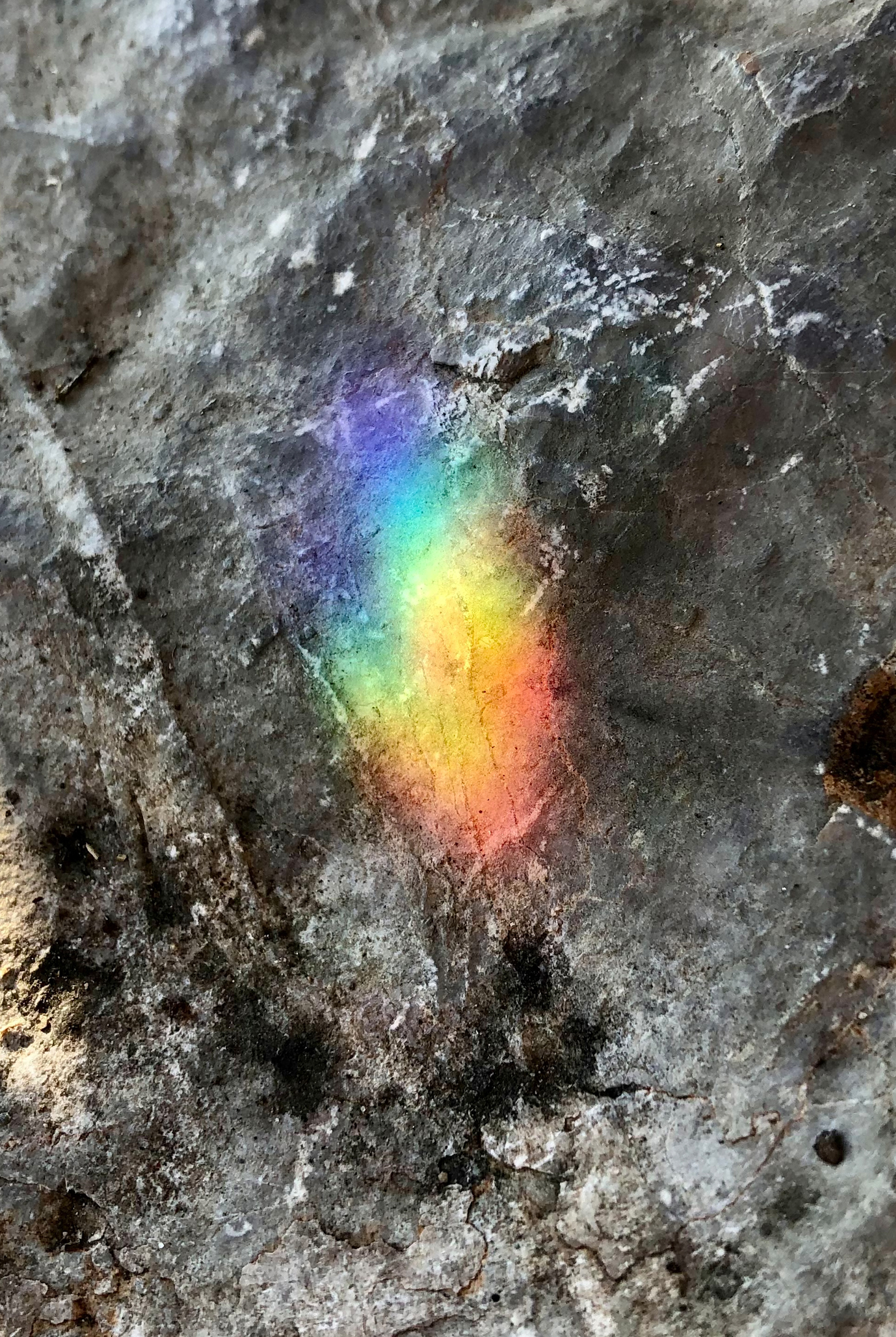
I have been photographing men across the post-Yugoslav space without fully knowing why.
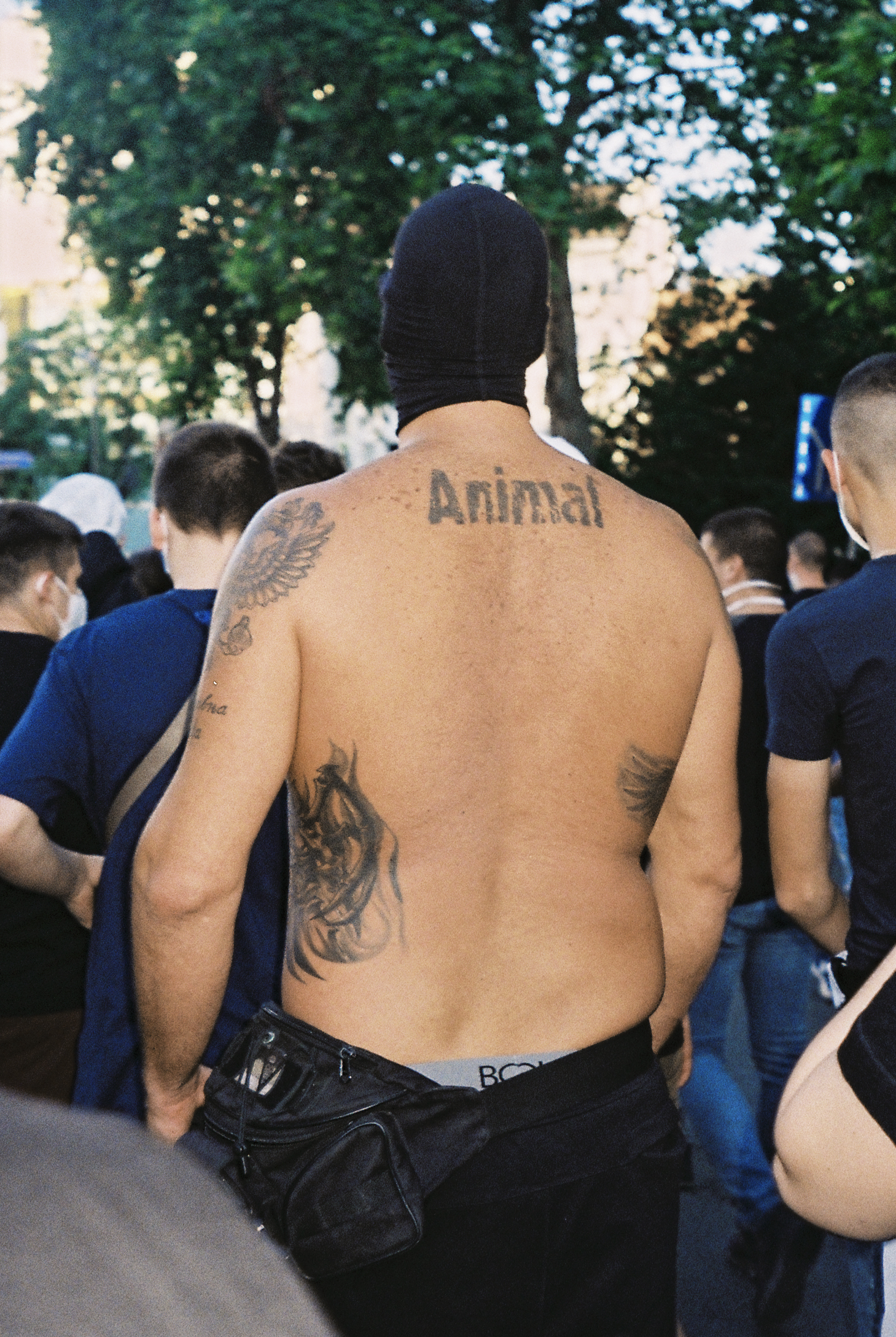
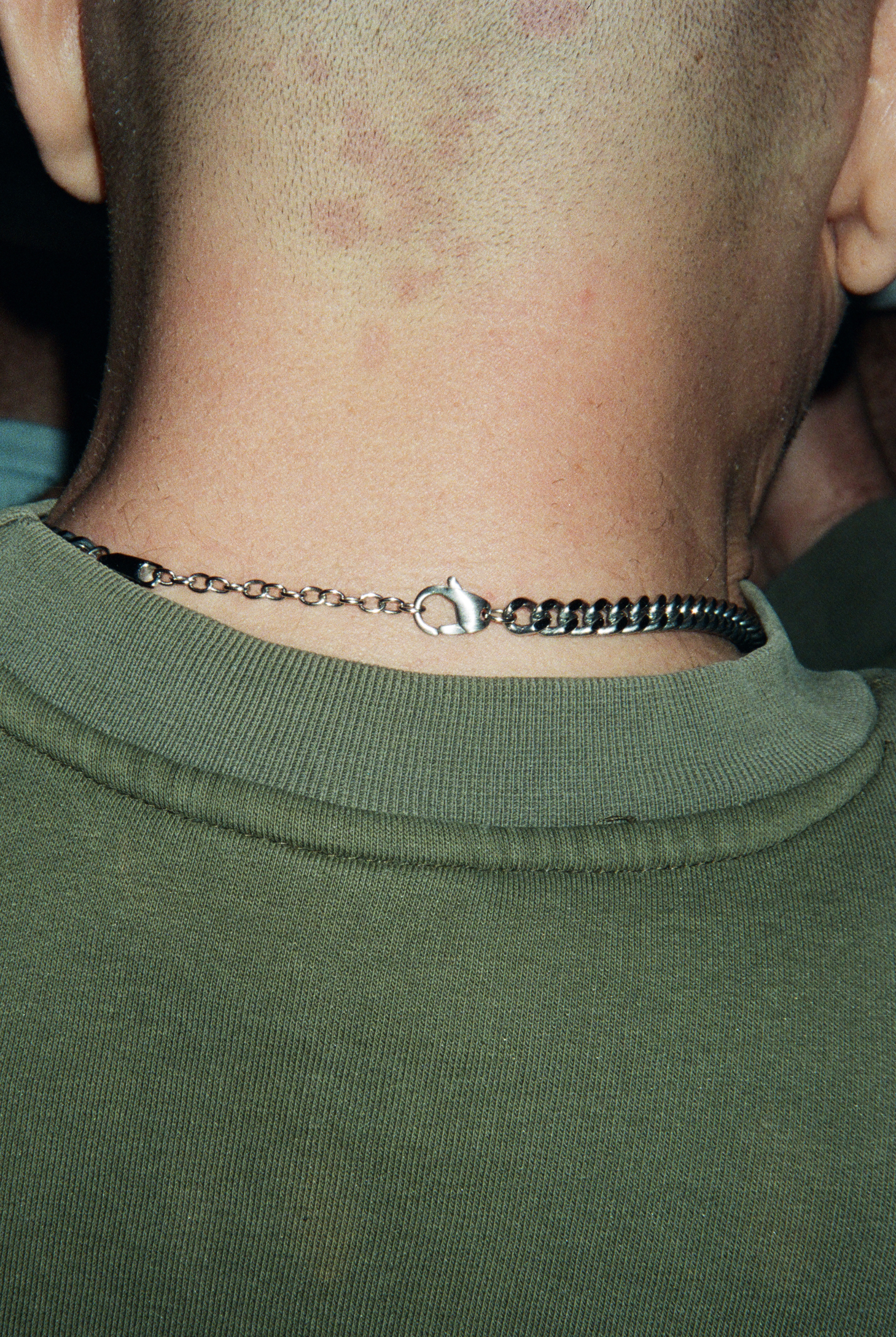
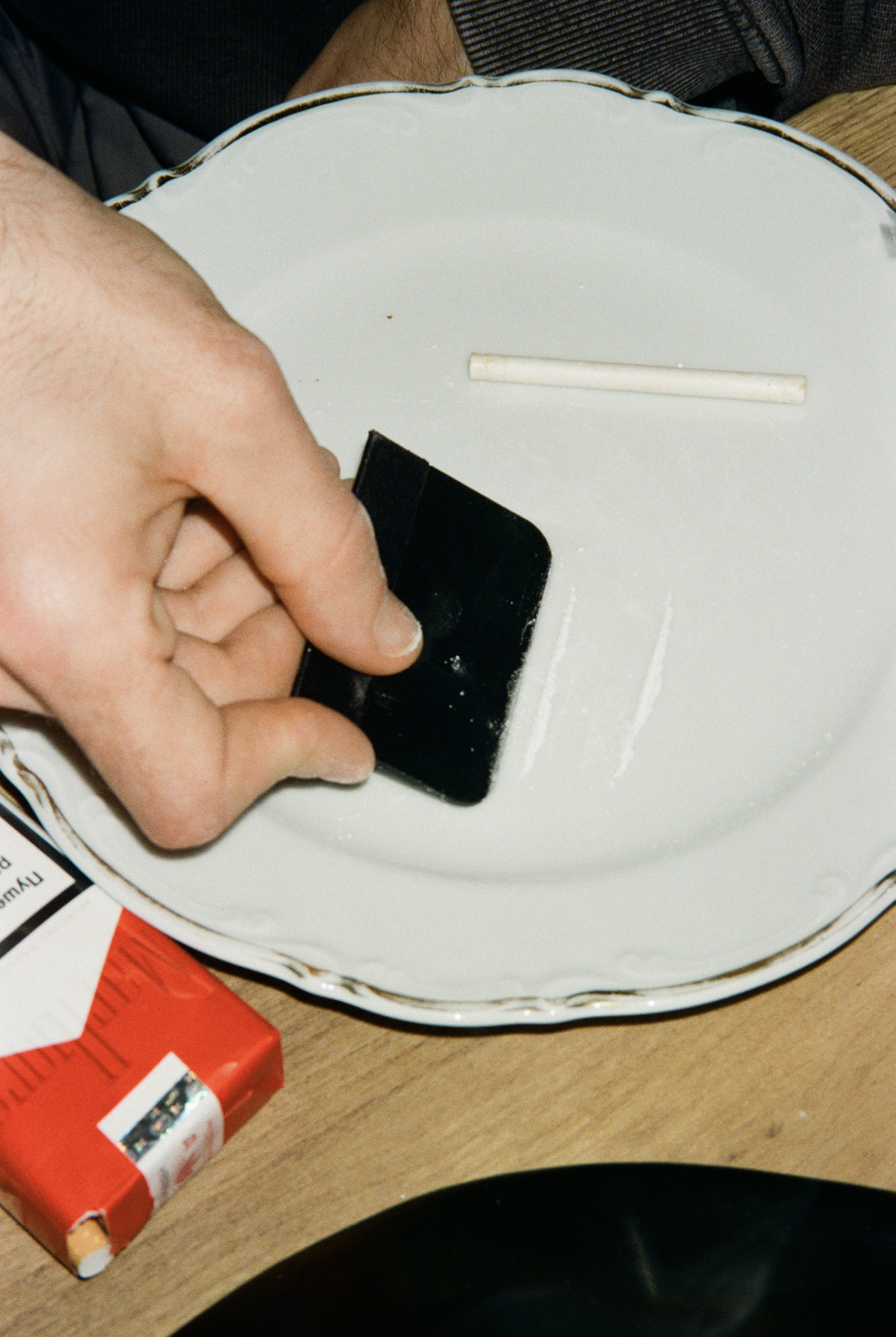
At first, it was distance. A man in a tracksuit and slides crossing the street. A body leaning, waiting, scratching, existing without self-awareness. I photographed from afar, removing faces, holding onto fragments, calves, hands, stomachs, gestures. I told myself I was observing masculinity. What I didn’t yet understand was that I was circling something I wasn’t ready to name.
That work became Turbo Dioxide.
Later, I found myself photographing a different space, EuroPride, and then Belgrade Pride since 2022. A space where visibility is claimed, but never fully secure. Where bodies ask to be seen, even when that visibility remains contested.
For a long time, these two worlds existed separately. Distance and exposure. Anonymity and declaration. A masculinity that does not know it is being watched, and a queerness that is still negotiating the conditions under which it can appear.
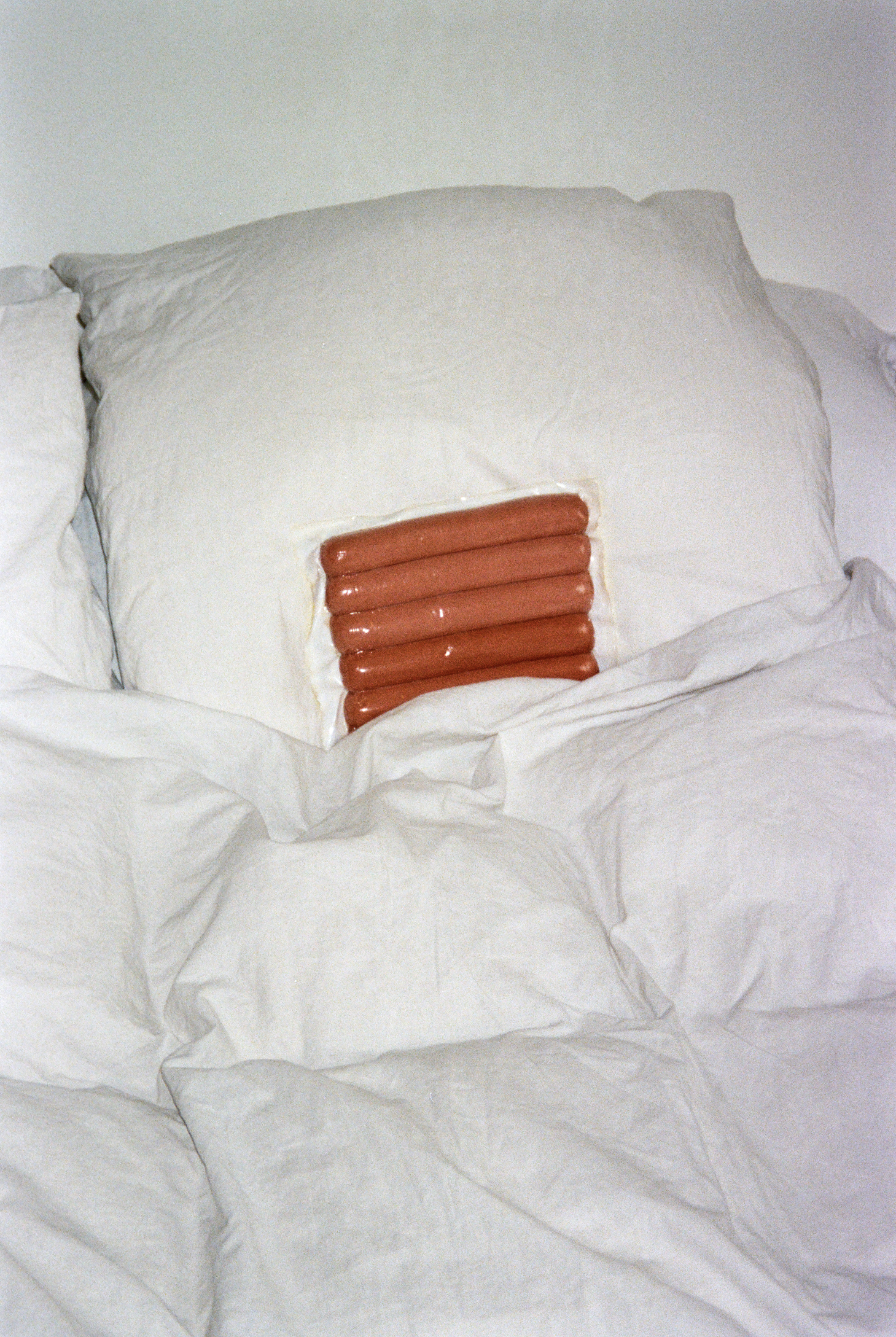
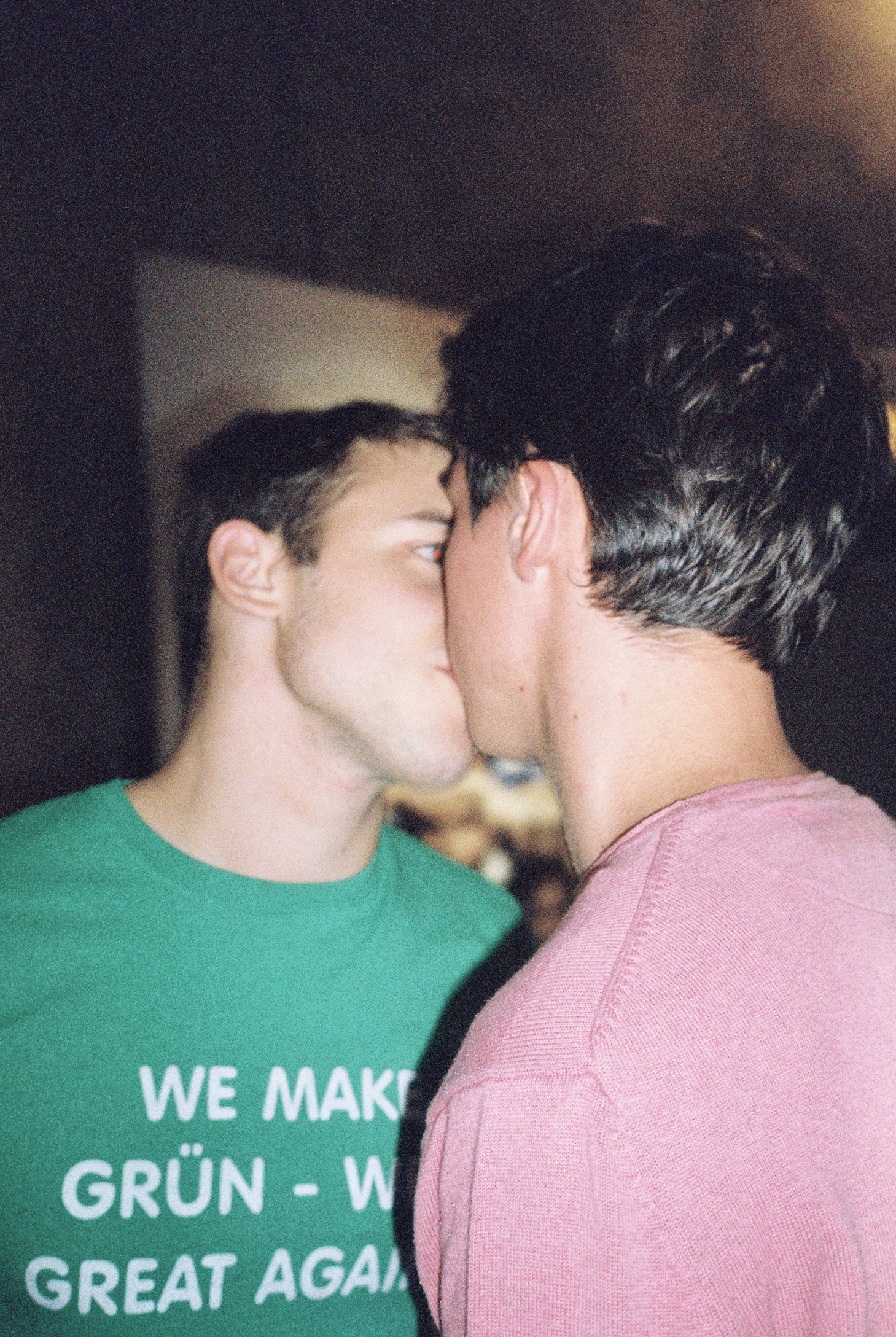
Queer Snapshots begins where these worlds start to overlap.
Working across Serbia and the wider Balkan region, I am interested in what remains unstable, how visibility is never guaranteed, how identity is shaped not only by self-expression, but by the limits imposed on it.
A man who could belong to either world. A gesture that slips between categories. A body shaped by the same histories, post-socialist transition, inherited codes of masculinity, and the fragile emergence of queer visibility. Masculinity here is not fixed. Queerness is not always visible. And visibility itself is not neutral, it is negotiated, permitted, resisted.
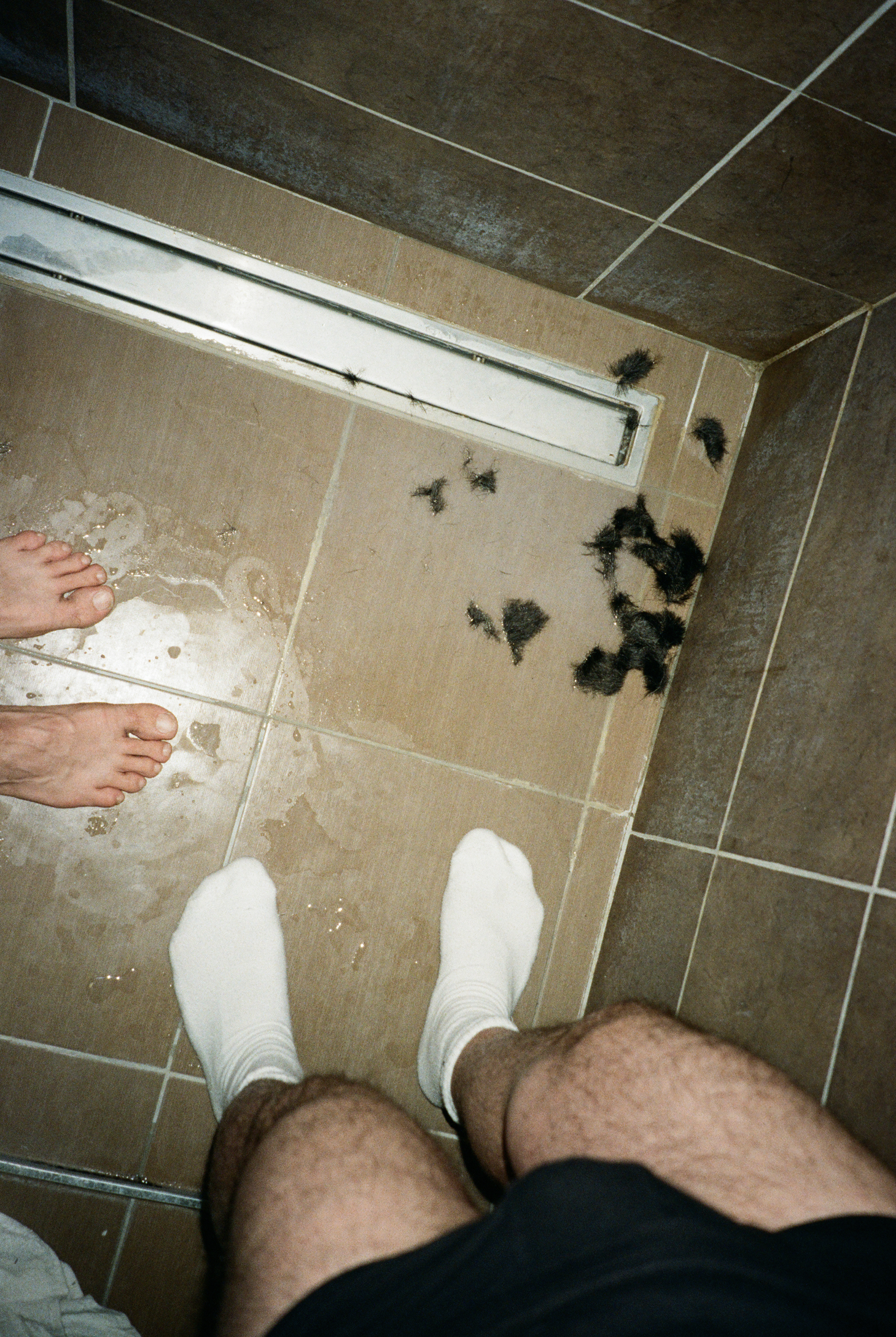
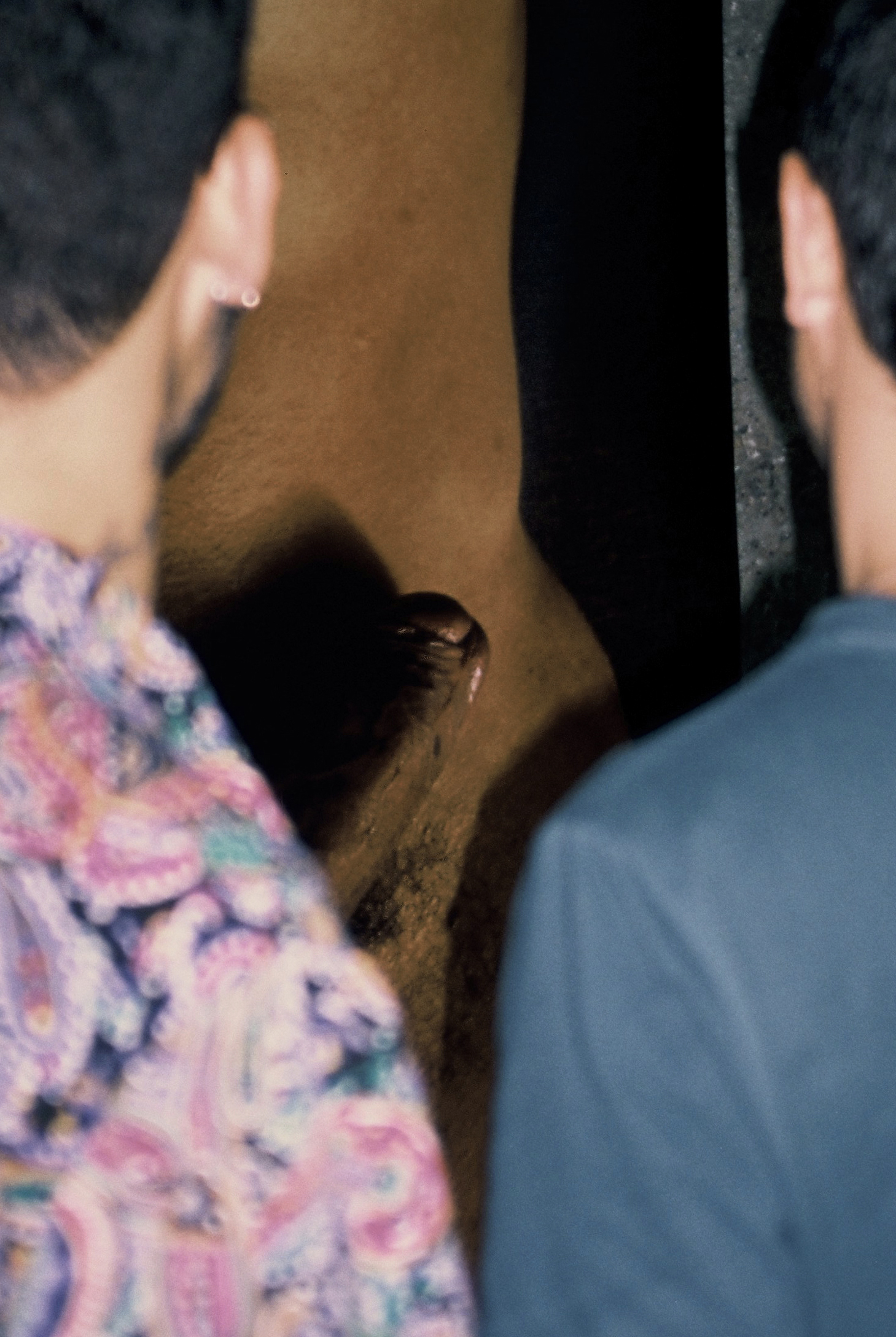
I no longer photograph only from a distance, but I do not fully abandon it either. The camera moves with me, sometimes close, sometimes held back, tracing the threshold between observer and participant, between safety and exposure.
This work is not only about the people in front of the lens. It is about the conditions that determine whether a body can be seen at all. It is also personal. The gaze is not neutral.
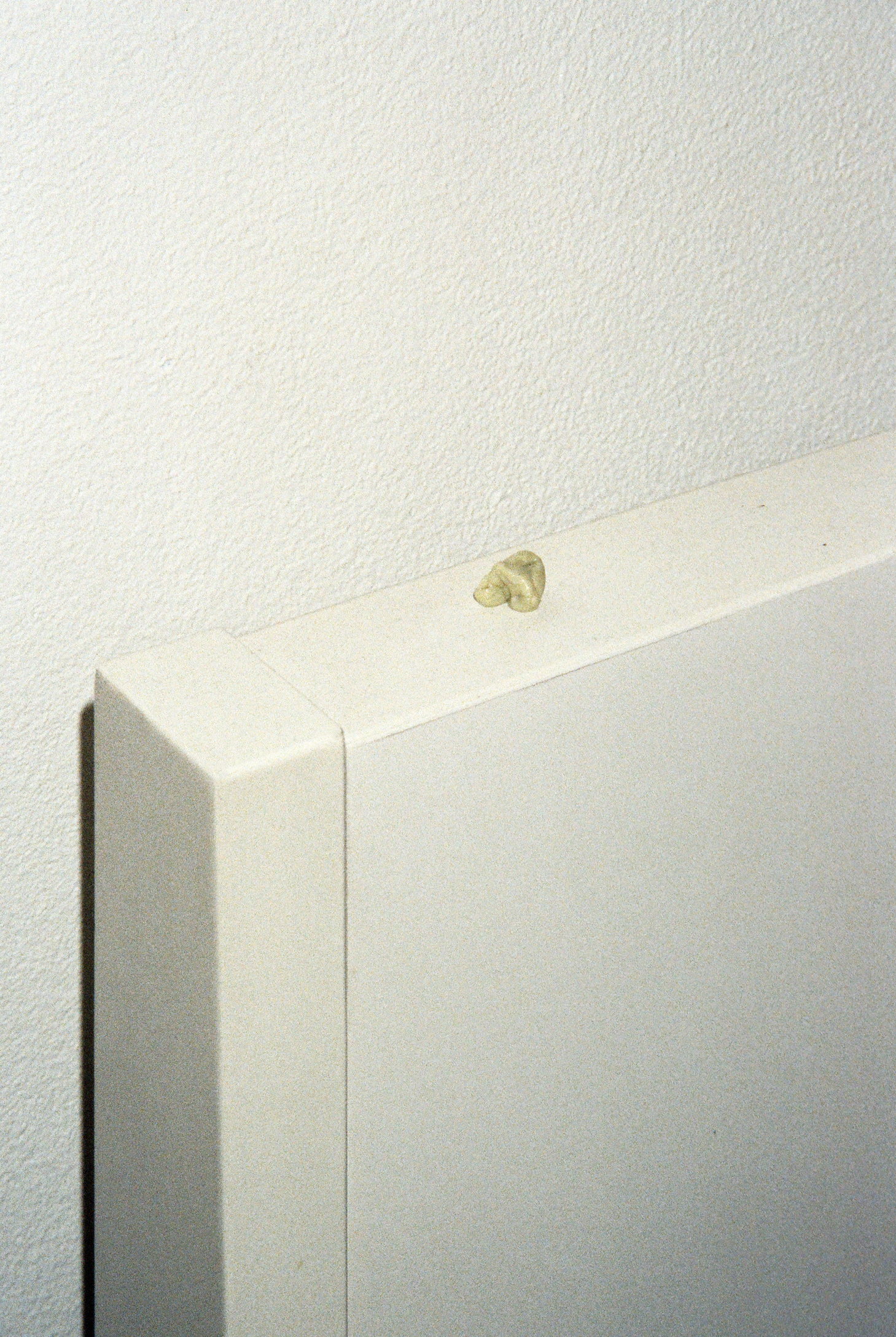
These images emerge from my own movement, from distance toward recognition, from silence toward admission. They form a fragmented archive of that process: desire, hesitation, identification.
I am not trying to resolve these tensions. I am interested in staying inside them, in the space where visibility remains fragile, where identity is negotiated rather than declared,
and where looking becomes a way of understanding what is still difficult to say aloud.